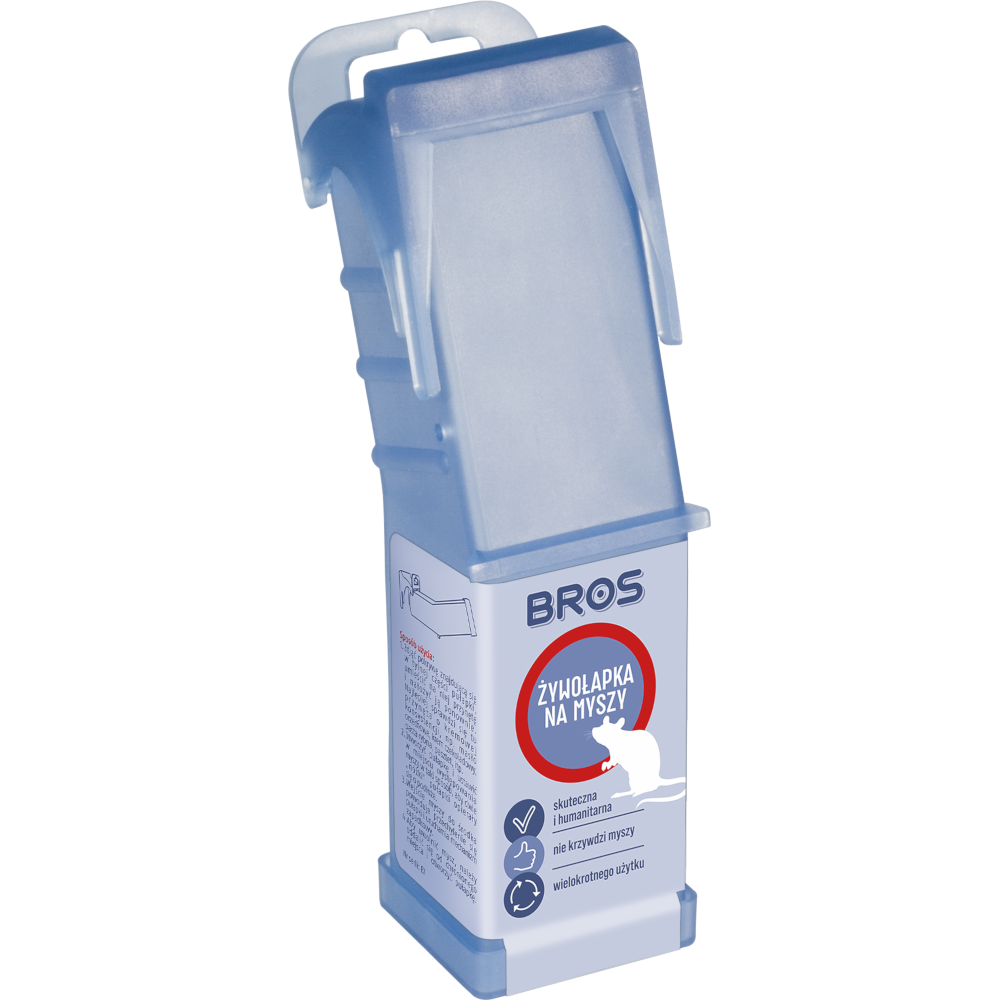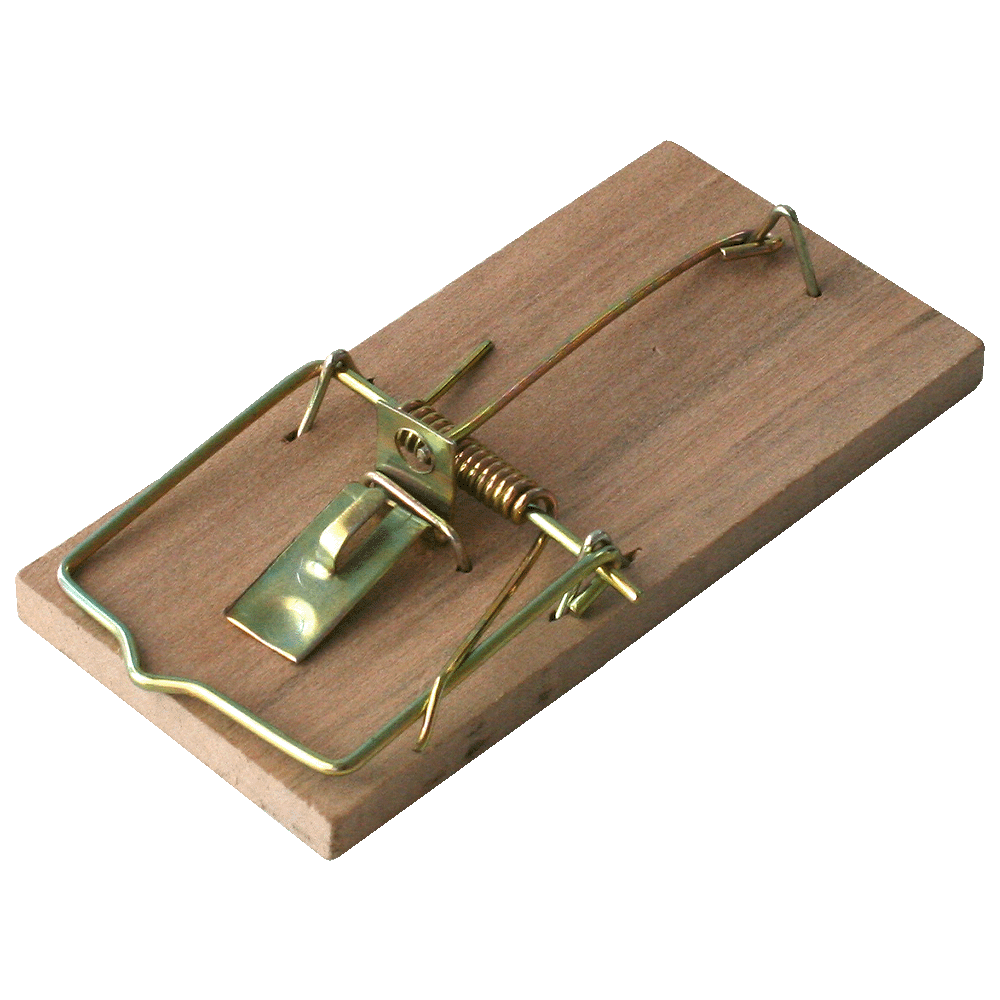






Box-shaped glue trap for catching mice in rooms. It does not contain biocide substances so it can be used in places where the application of poison is not recommended. Its effect is only physical – rodents go inside the box and get stuck to its walls. The glue does not dry-up and it prevents mice from escaping from the trap, which makes the product really effective. Double entrance (from both sides of the box) makes catching the rodent more probable. The mice caught in the box is not visible so it can be thrown away without looking at it or touching.

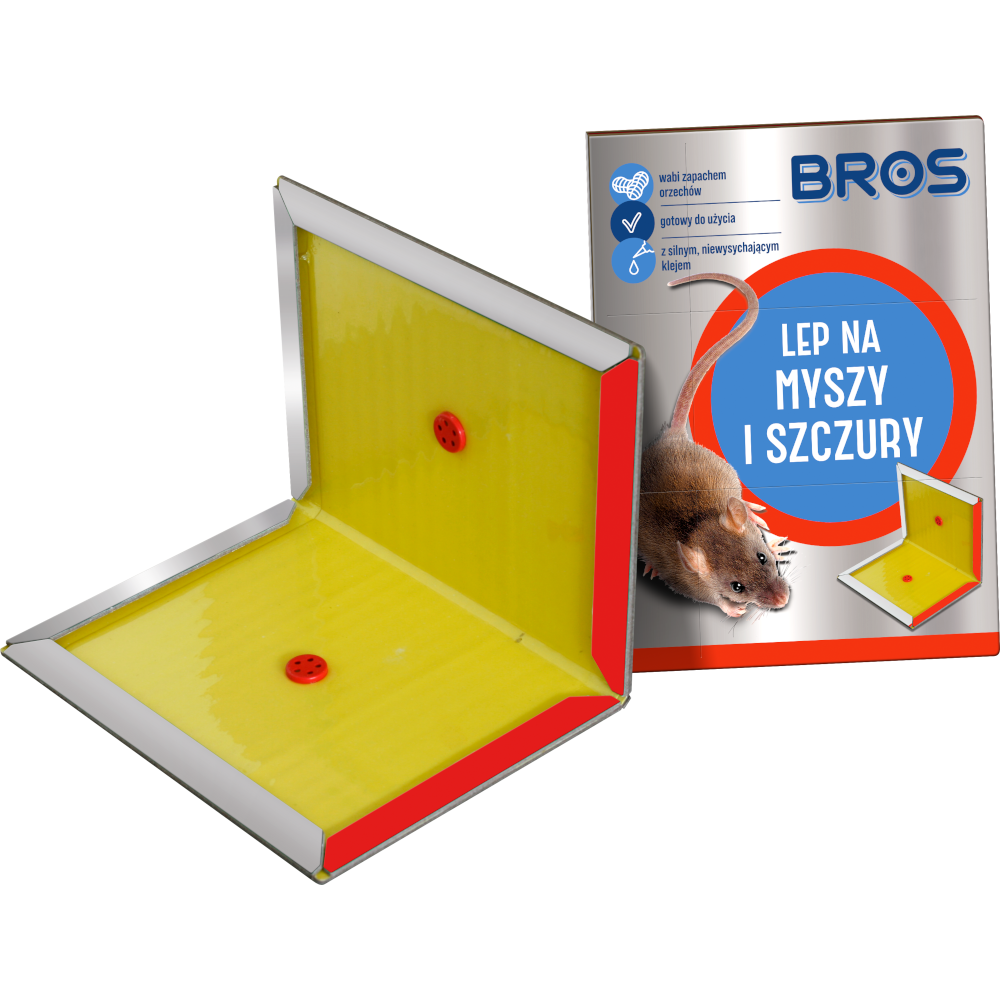


Box-shaped glue trap for catching mice in rooms. It does not contain biocide substances so it can be used in places where the application of poison is not recommended. Its effect is only physical – rodents go inside the box and get stuck to its walls. The glue does not dry-up and it prevents mice from escaping from the trap, which makes the product really effective. Double entrance (from both sides of the box) makes catching the rodent more probable. The mice caught in the box is not visible so it can be thrown away without looking at it or touching.
Mice do not need water to survive as they have access to moist grain and thus are able to satisfy their thirst. Indoors, they usually move along the walls. Great hearing allows them to pick up sound with a frequency of 90 kHz, while a human can only hear up to 20 kHz. These rodents have a good sense of smell and an excellent ability to maintain balance. Falling from a height, they always land on their paws and move well, including on narrow wires. A characteristic squeak is emitted for communication and during escape. The biggest natural enemy for mice is rats. For this reason, it is rare to find cases of both rodent species occurring in one place.
Check the pest calendar >